















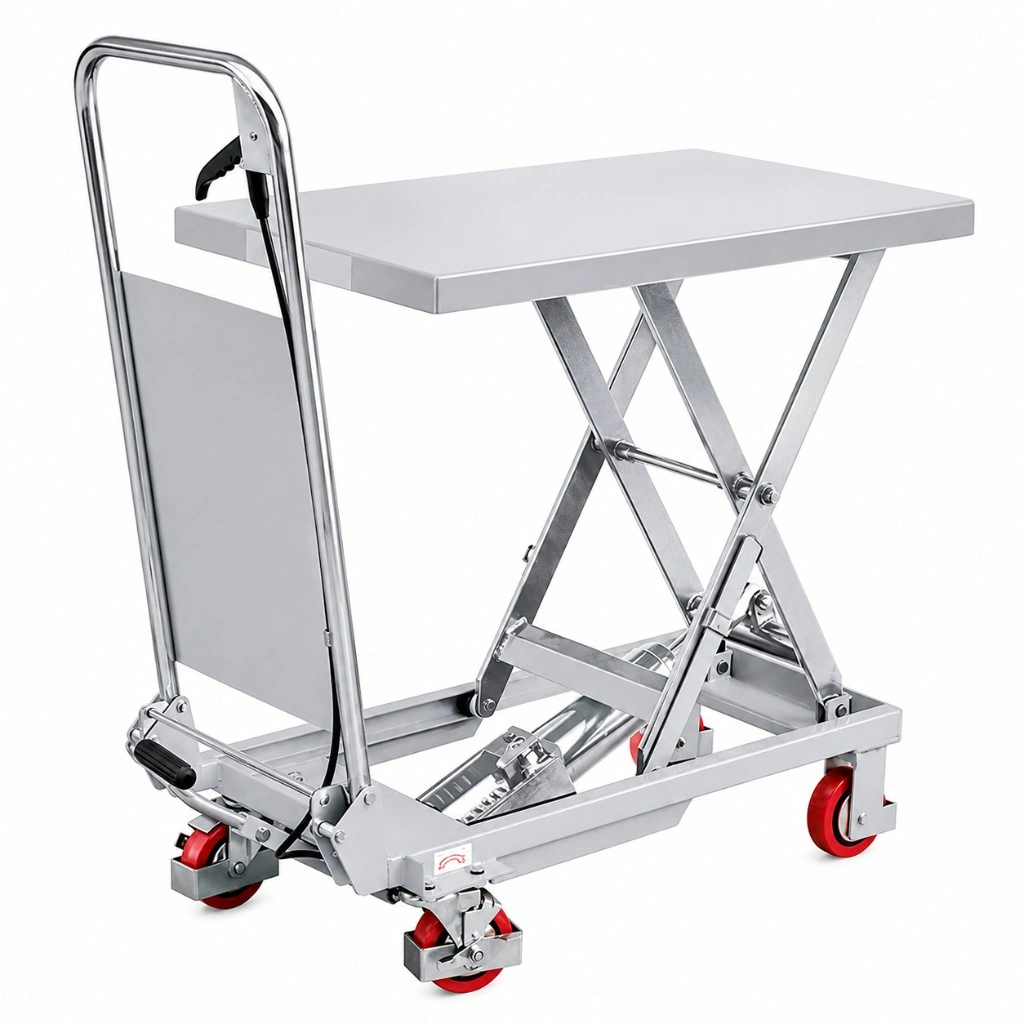


What a hand pallet truck is (and why it is also called a pallet jack)
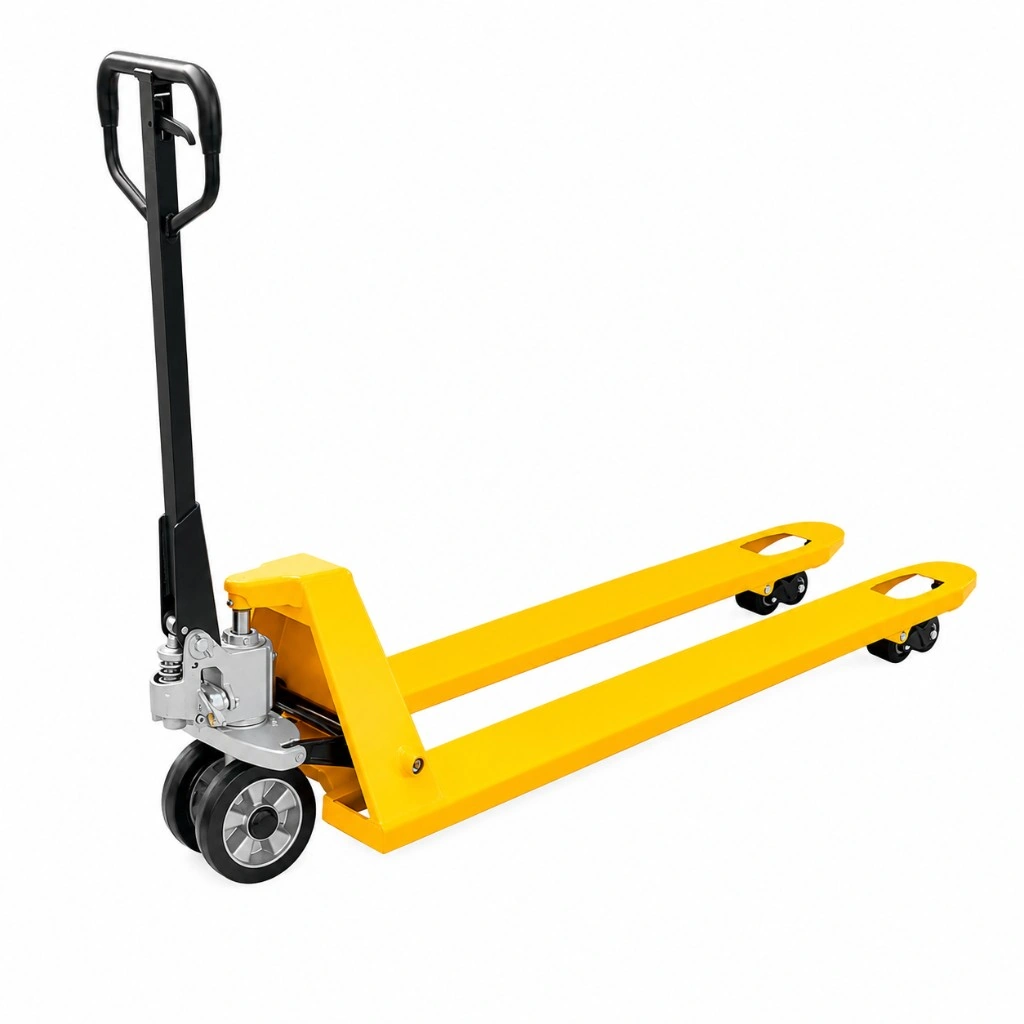
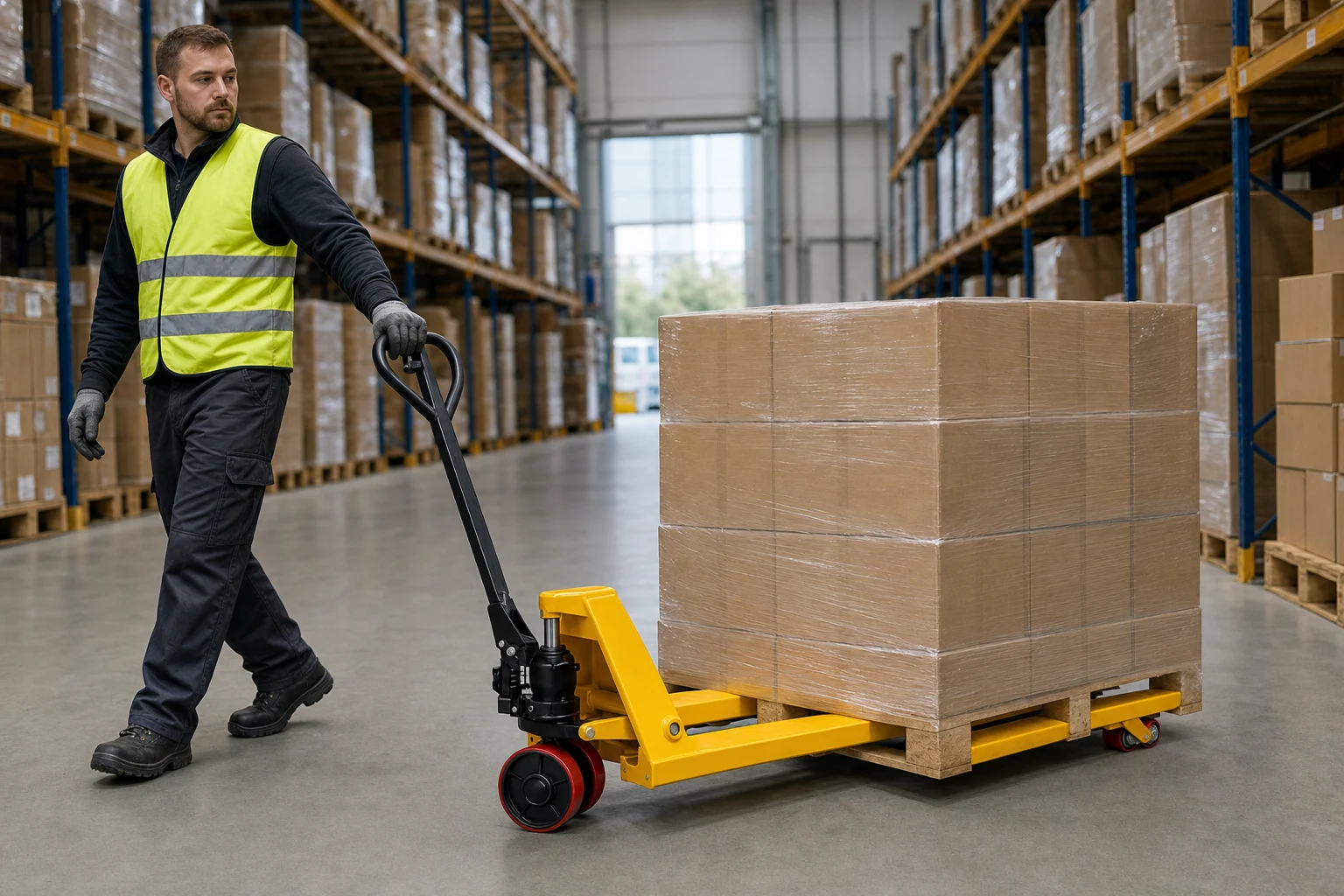
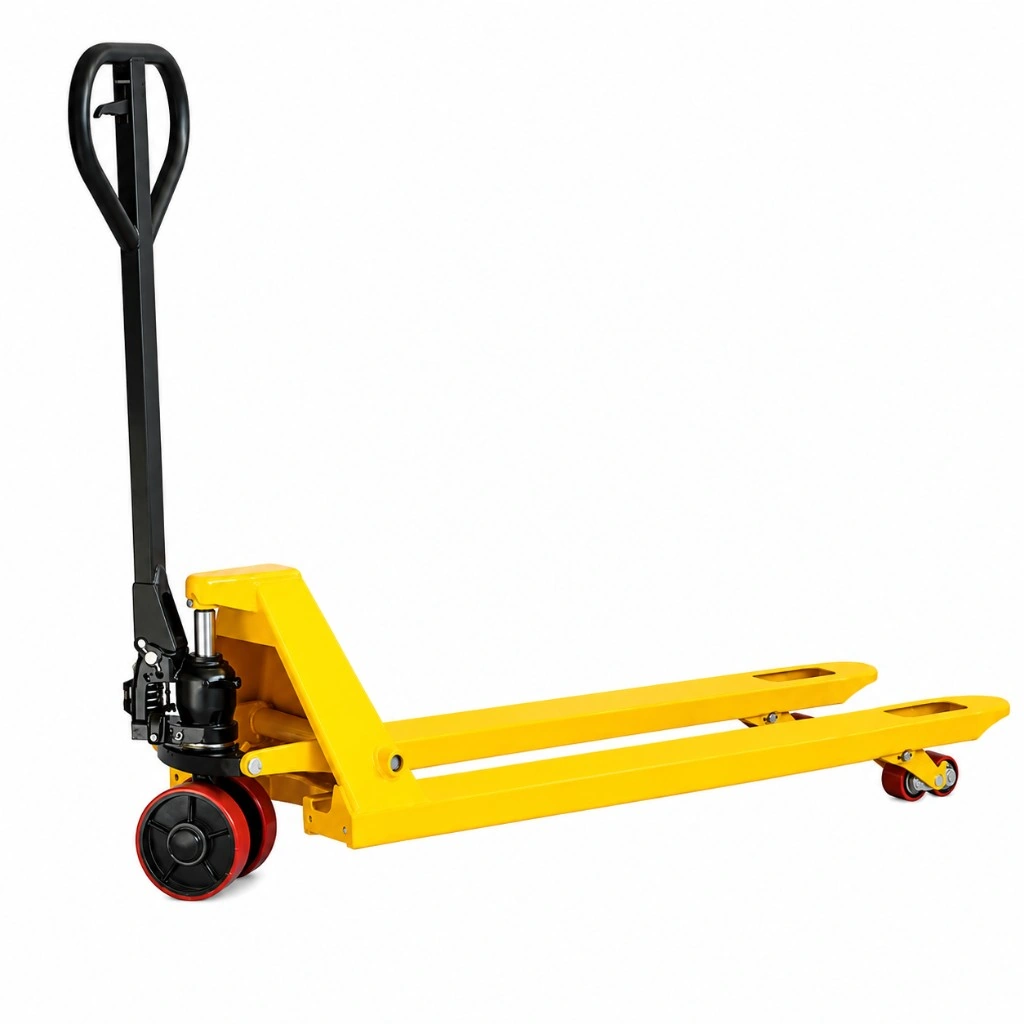
A hand pallet truck — also known as a pallet jack, pump truck or transpallet — is the simplest and most reliable way to move palletised loads over short distances. Two forks slide into the pallet, a hydraulic pump raises the load a few centimetres off the floor, and one person can move up to several tonnes with minimal effort. No licence, no battery, no charging station: for most warehouses, workshops and retail backrooms it is the first piece of handling equipment ever bought — and the one that gets used every single day.
This guide walks you through the decisions that actually matter when buying one: capacity, fork dimensions, wheel material, and the special versions for food, chemical or outdoor use. It is based on the range we stock and configure for customers across Europe.
1. Capacity: how much do you really lift?
Hand pallet truck capacities run from 500 kg to 5,000 kg. The right answer is your heaviest regular pallet plus a safety margin — not the heaviest pallet you can imagine. Oversizing costs money and adds dead weight you push around all day.
| Your heaviest pallet | Recommended capacity | Typical model |
|---|---|---|
| up to 400 kg (light retail, e-commerce parcels) | 500 kg | Mini hand pallet truck 500 kg |
| up to 1,600 kg (mixed goods, distribution) | 2,000–2,500 kg | Economic 2,000 kg or Standard 2,500 kg |
| up to 2,400 kg (beverages, building materials) | 3,000 kg | Classic 2,500–3,000 kg |
| 2,500 kg and above (steel, stone, machinery) | 3,500–5,000 kg heavy duty | Heavy duty 3,500 kg / 5,000 kg |
The 2,500 kg class is the European workhorse for a reason: it covers a full EUR-pallet of almost anything while staying light enough to manoeuvre by hand. If in doubt, choose 2,500 kg.
2. Fork dimensions: match the pallet, not the brochure
The standard fork size in Europe is 1,150 × 550 mm — sized for the EUR/EPAL pallet (1,200 × 800 mm) entered from the short side; 1,220 mm forks and 520 or 685 mm overall widths are common options. Deviate only when your pallets or racking demand it:
- Long forks (longer than the standard 1,150/1,220 mm, built to order) for overhanging loads and two pallets carried in line — see the long fork version.
- Short forks (800–1,000 mm, built to order) for half pallets and work in lifts, containers and van bodies where a 1,150 mm fork cannot turn — see the short fork version.
- Wide fork spread (840 mm between fork outer edges) for wide crates, boards and two narrow pallets side by side — see the wide fork version.
- Narrow build (406 mm overall width with 800 mm forks) for machine rooms, older buildings with 700–800 mm doorways and travel inside vehicles — see the narrow version.
3. Lowered height: the low-profile question
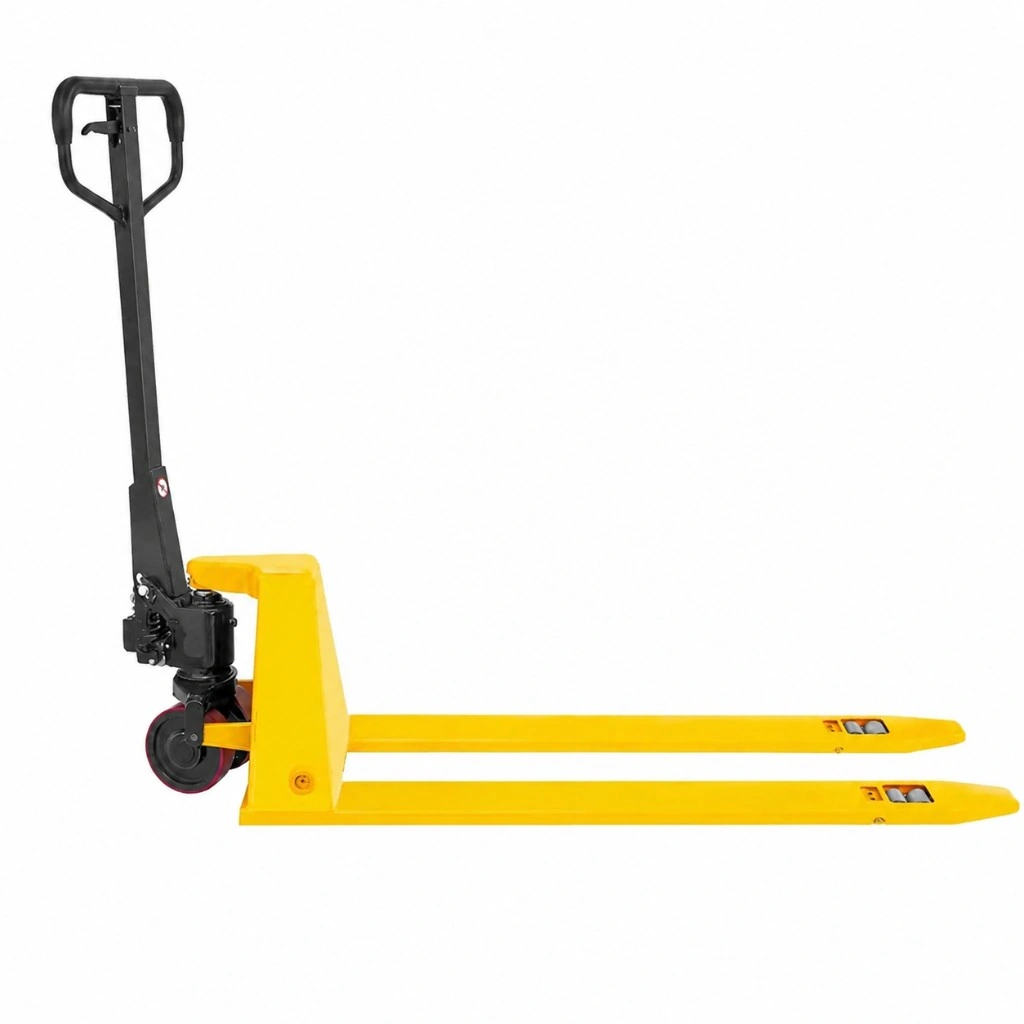
A standard pallet truck sits about 85 mm high when lowered. Skids, die plates, closed-bottom pallets and purpose-built frames often leave less than 60 mm of clearance — a standard truck simply will not fit. For those you need a low-profile hand pallet truck: 35 mm lowered fork height in the 1,000 kg version, 52 mm in the 1,500 kg version. Check your lowest pallet opening before ordering; it is the single most common sizing mistake we see.
If your day involves many short lifts of lighter goods, a quick-lift model with a double-speed pump reaches full height in about five strokes (loads up to 300 kg) instead of a dozen or more — a small feature that saves real time at high pallet turnover.
4. Wheels: the cheapest way to ruin (or save) your floors
Wheel material determines rolling resistance, noise and floor wear:
| Material | Best for | Watch out |
|---|---|---|
| Polyurethane (PU) | The all-rounder: quiet, gentle on painted or epoxy floors, good on concrete | Slightly higher rolling resistance than nylon |
| Nylon (polyamide) | Lowest rolling effort, wet areas, cold stores; easy to keep clean | Loud on hard floors, can mark soft surfaces |
| Rubber | Uneven or rough surfaces, quiet operation | Higher effort under heavy loads |
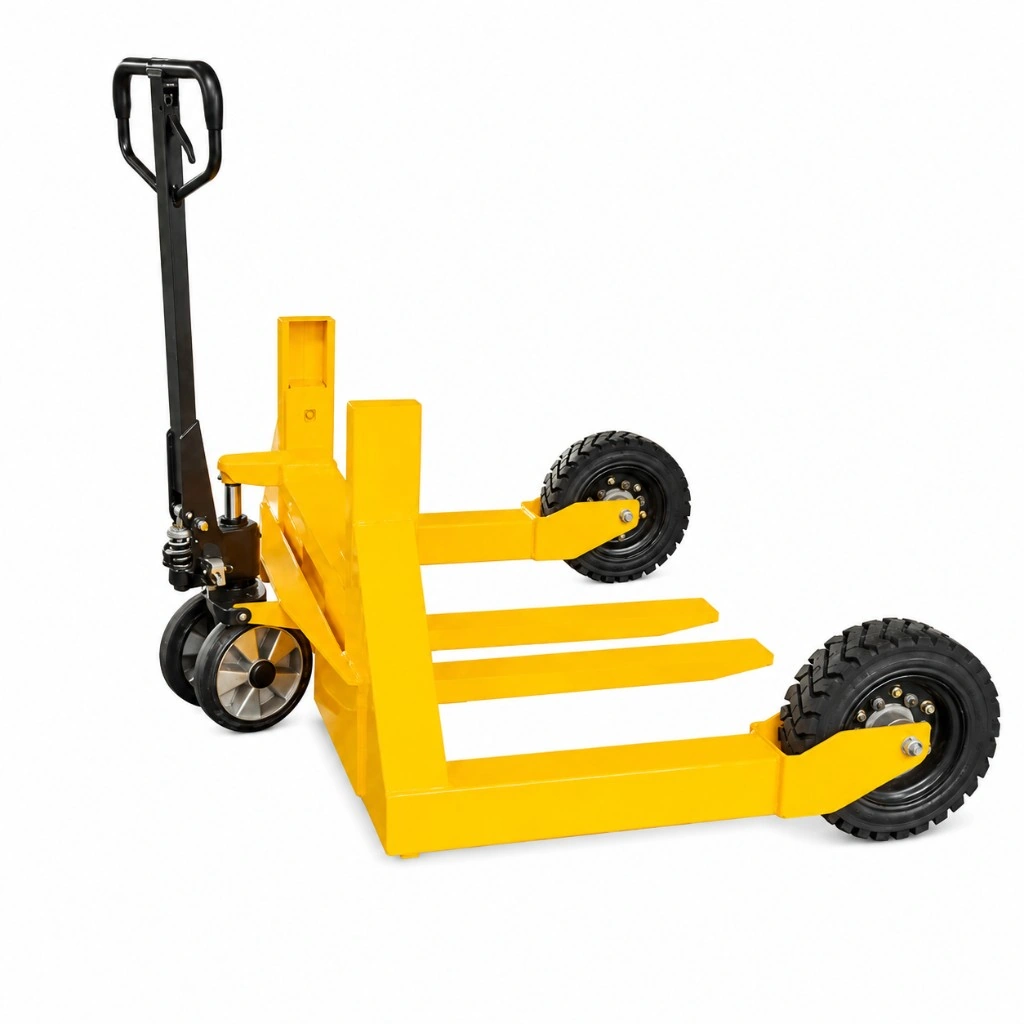
For damaged yards, gravel or ramps a wheeled compromise will not do — that is what the rough terrain pallet truck with large pneumatic wheels is for. Choose tandem fork rollers whenever you cross thresholds, expansion joints or container sills: they bridge gaps a single roller falls into.
5. Special environments: stainless, galvanized, ATEX-adjacent
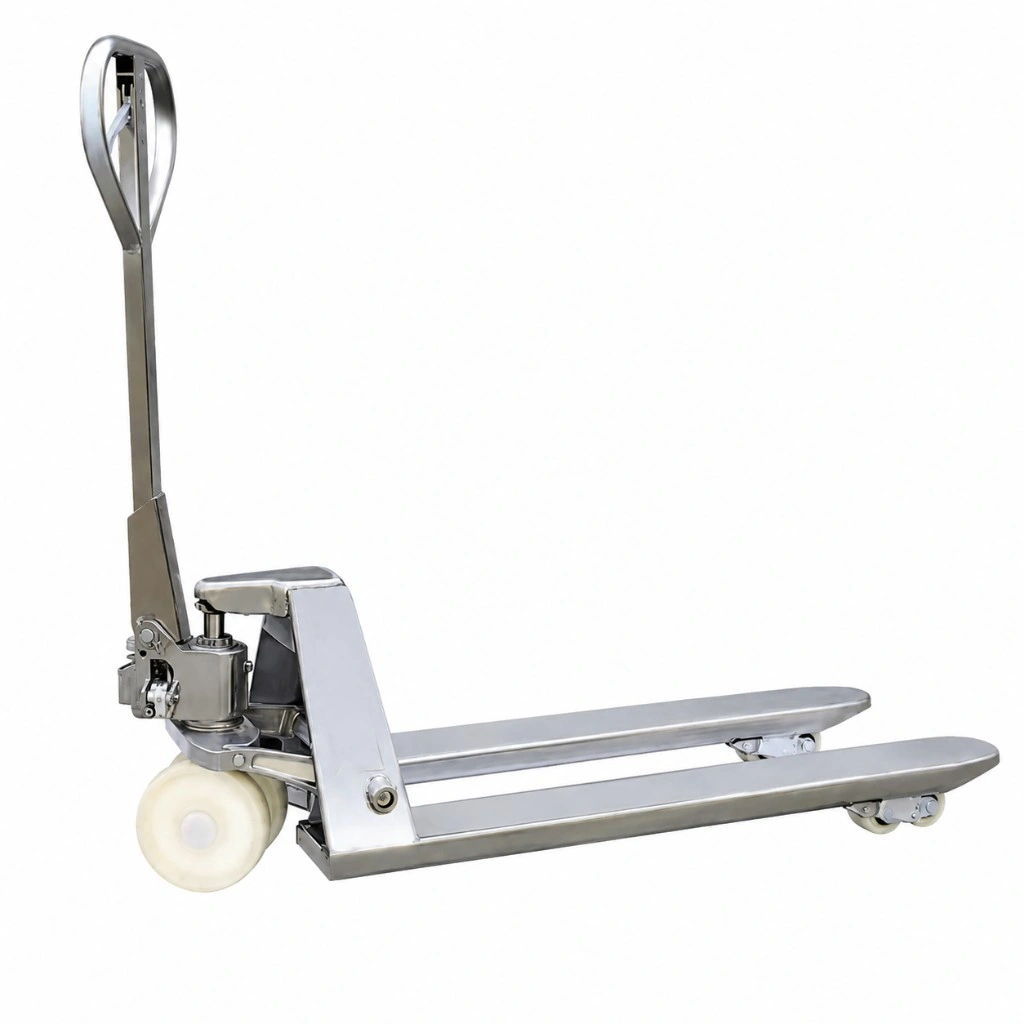
- Food, pharma and cleanrooms: a stainless steel pallet truck (AISI 304) survives daily washdowns and leaves no corrosion residue near open product.
- Wet or corrosive areas (fish, salt, chemicals, outdoor storage): a galvanized pallet truck gives most of the corrosion protection at a fraction of the stainless price.
- Slopes and vehicle loading: a pallet truck with hand brake keeps the load parked on ramps and tail lifts.
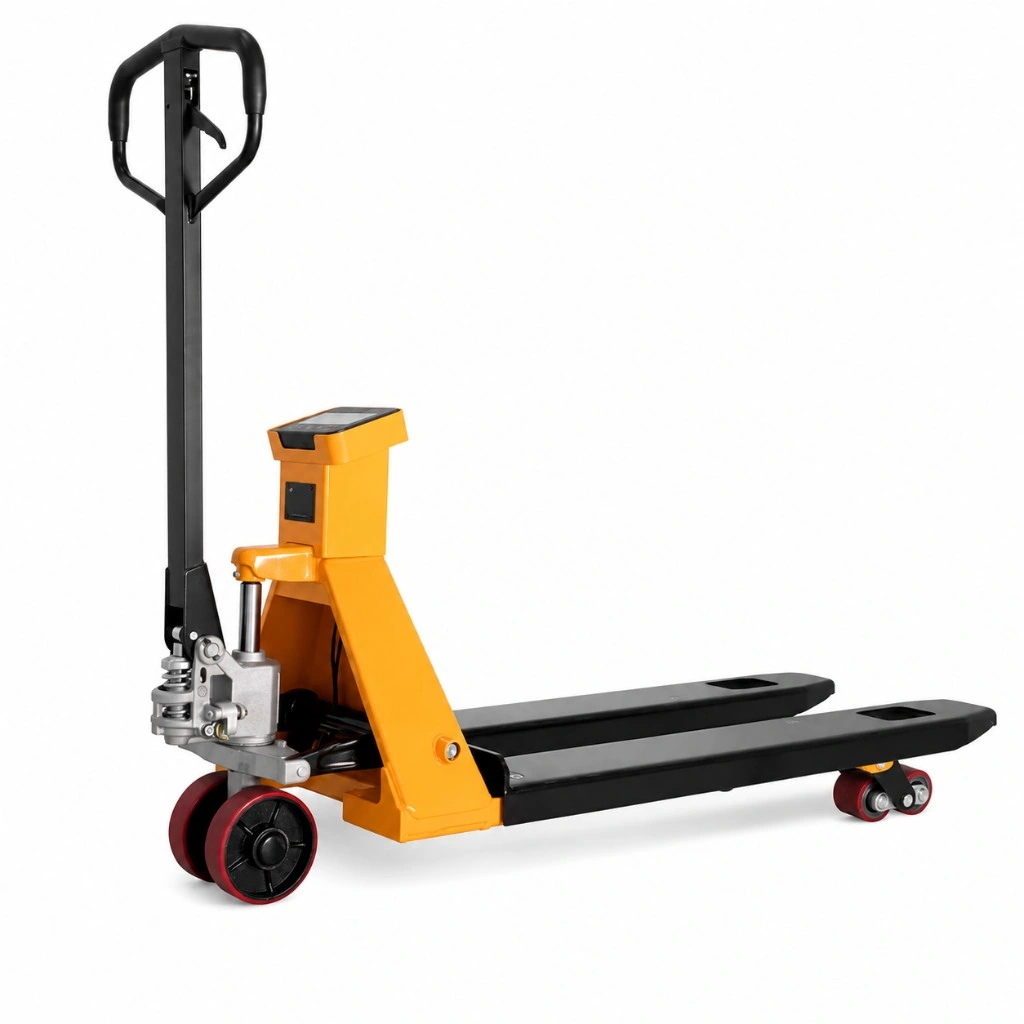
- Weighing while moving: pallet trucks with built-in scale replace a separate floor scale for goods-in checks.
- Special loads: a four-way model enters pallets from all sides, and a reel carrier cradles rolls and drums that would roll off straight forks.
6. When a hand pallet truck is no longer enough
Three honest signals that you have outgrown manual equipment:
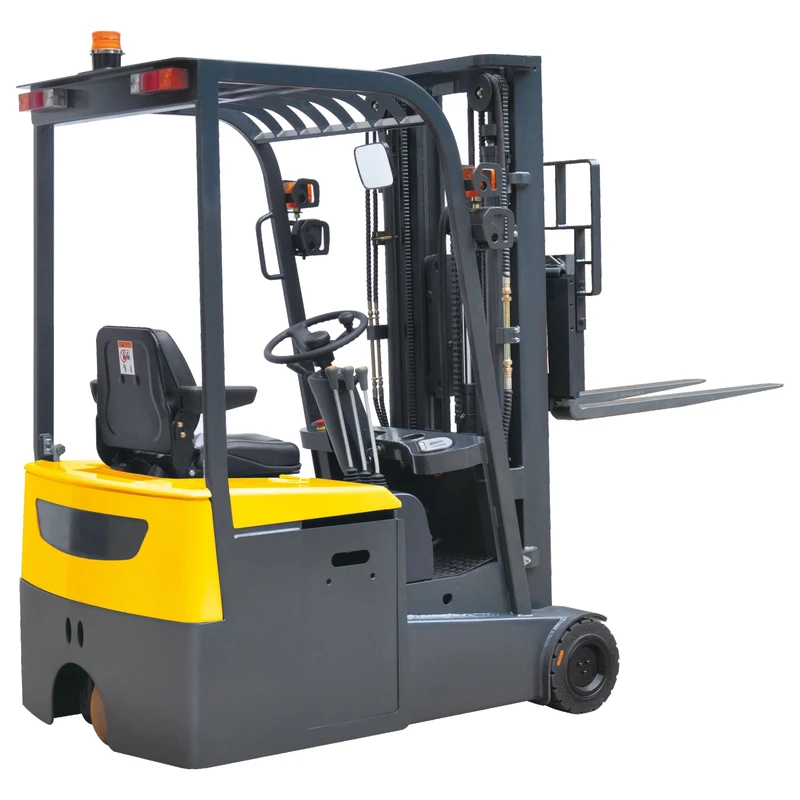
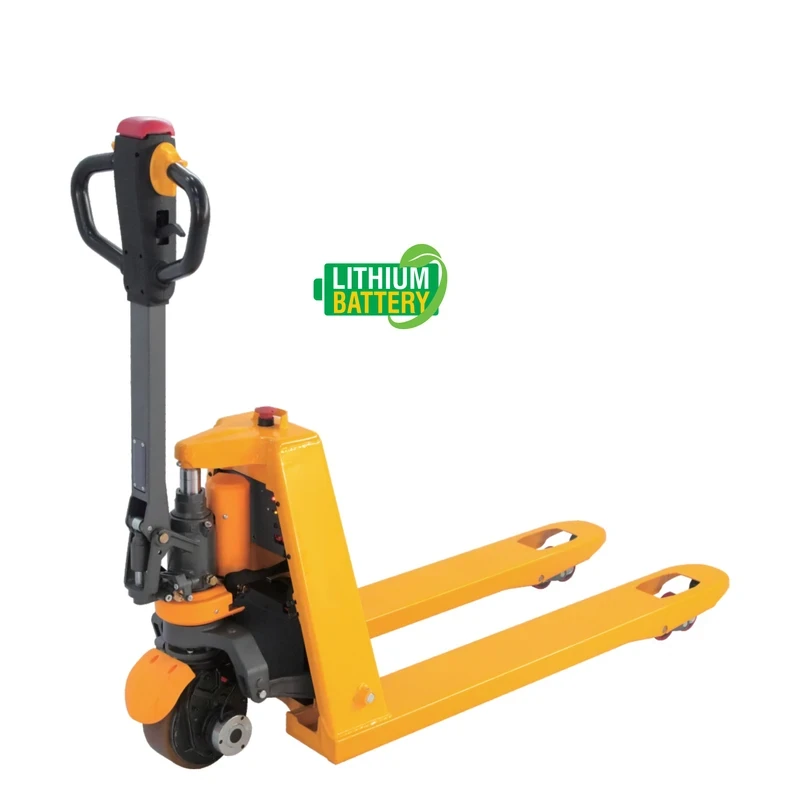
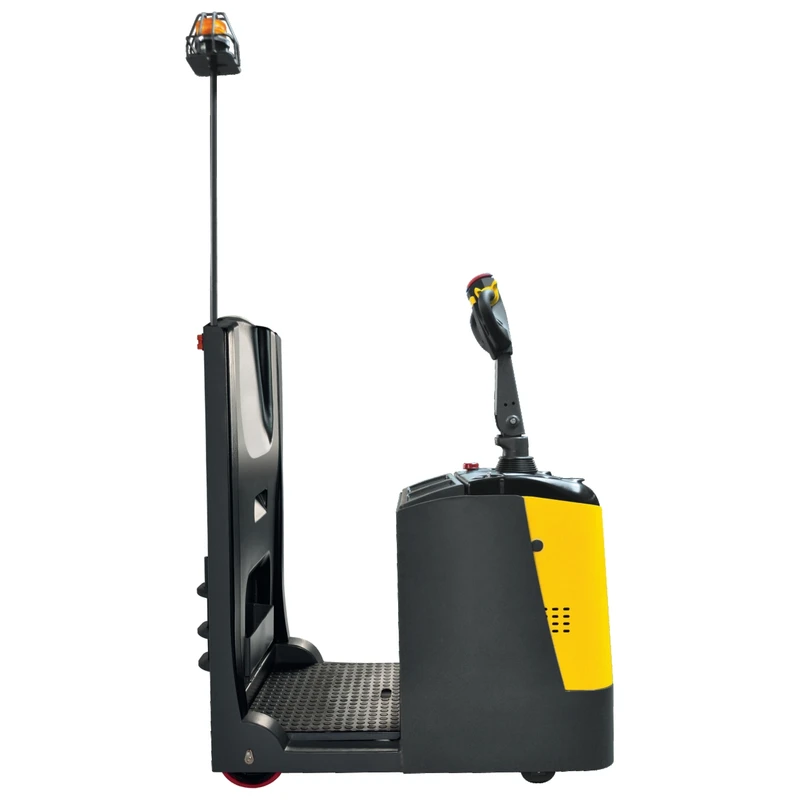
- Distance: runs longer than ~30–50 m, many times a day, justify an electric pallet truck — your team's backs will notice before your accountant does.
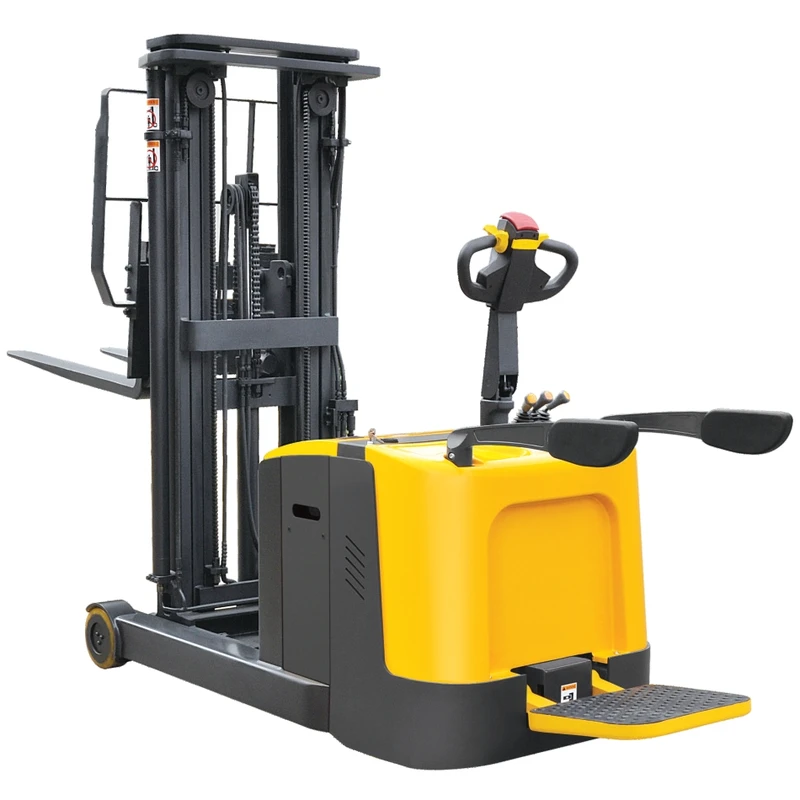
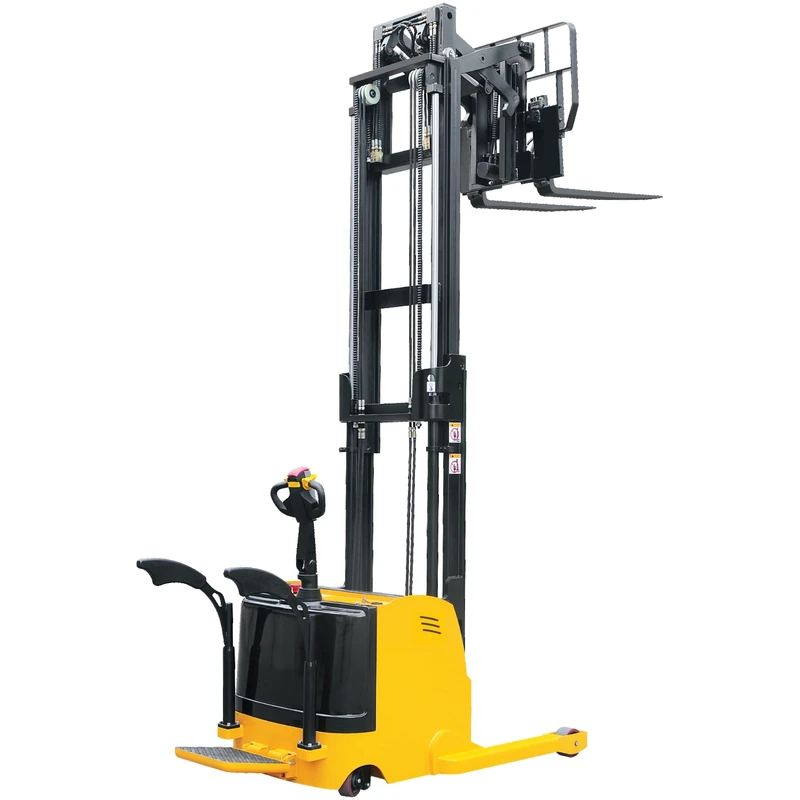
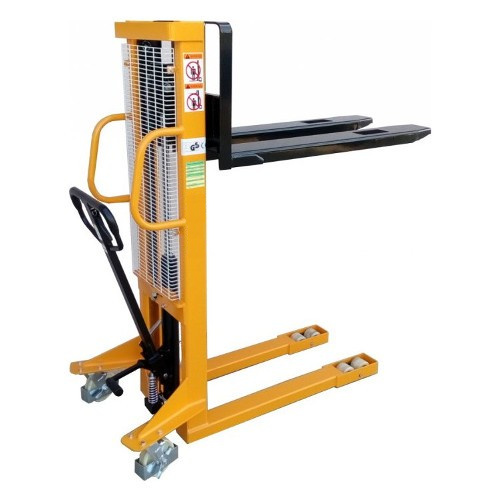
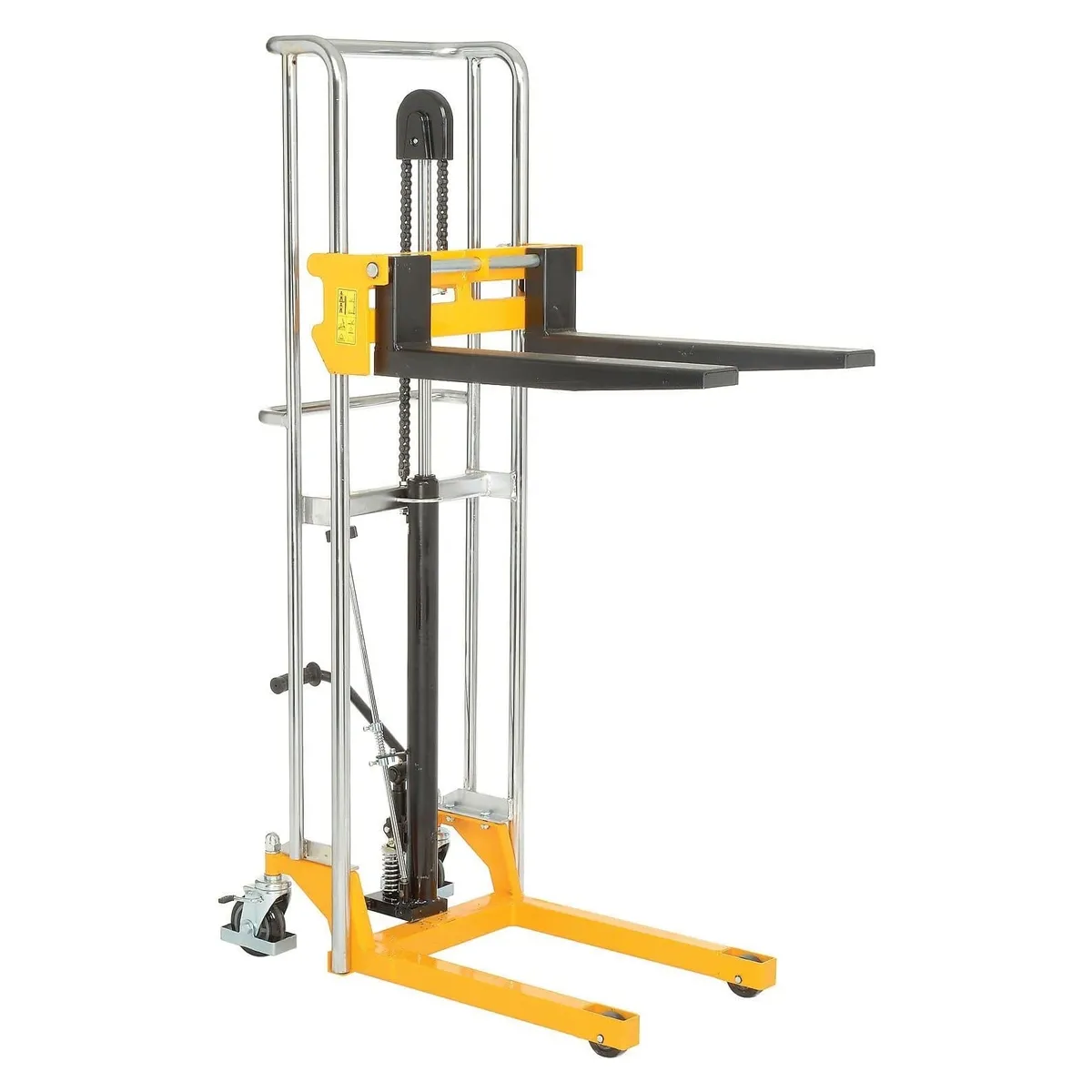
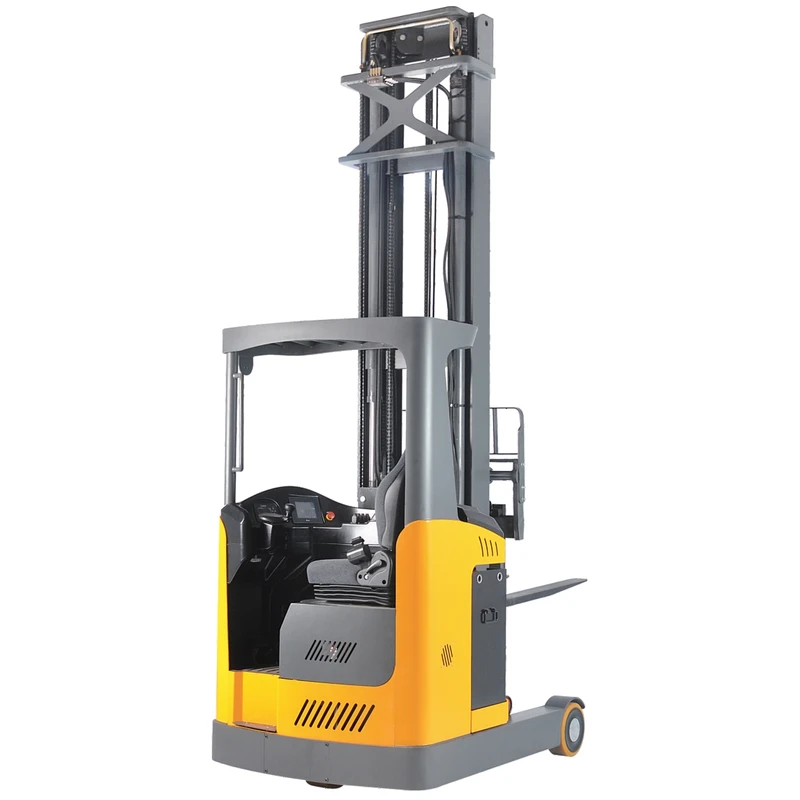
- Stacking: the moment you need to lift pallets onto racking or vehicles, you need a stacker, not a pallet truck.
- Slopes and full shifts: pushing 2+ tonnes up even a 3% ramp all day is an injury statistic waiting to happen — motorise it.
7. Safety and standards
Hand pallet trucks in the EU are built to EN ISO 3691-5 (industrial trucks — pedestrian-propelled trucks) and carry CE marking. Good practice that keeps them alive for 10+ years: never overload beyond the rated capacity plate, lower the load for travel, park with forks lowered, grease the pump linkage yearly, and replace worn entry rollers before they chew pallet boards. Our trucks ship with the EC declaration of conformity and a user manual in your language.